
82A street 154, Sangkat Phsar Thmey 3,
Khan Daun Penh, Phnom Penh, Cambodia
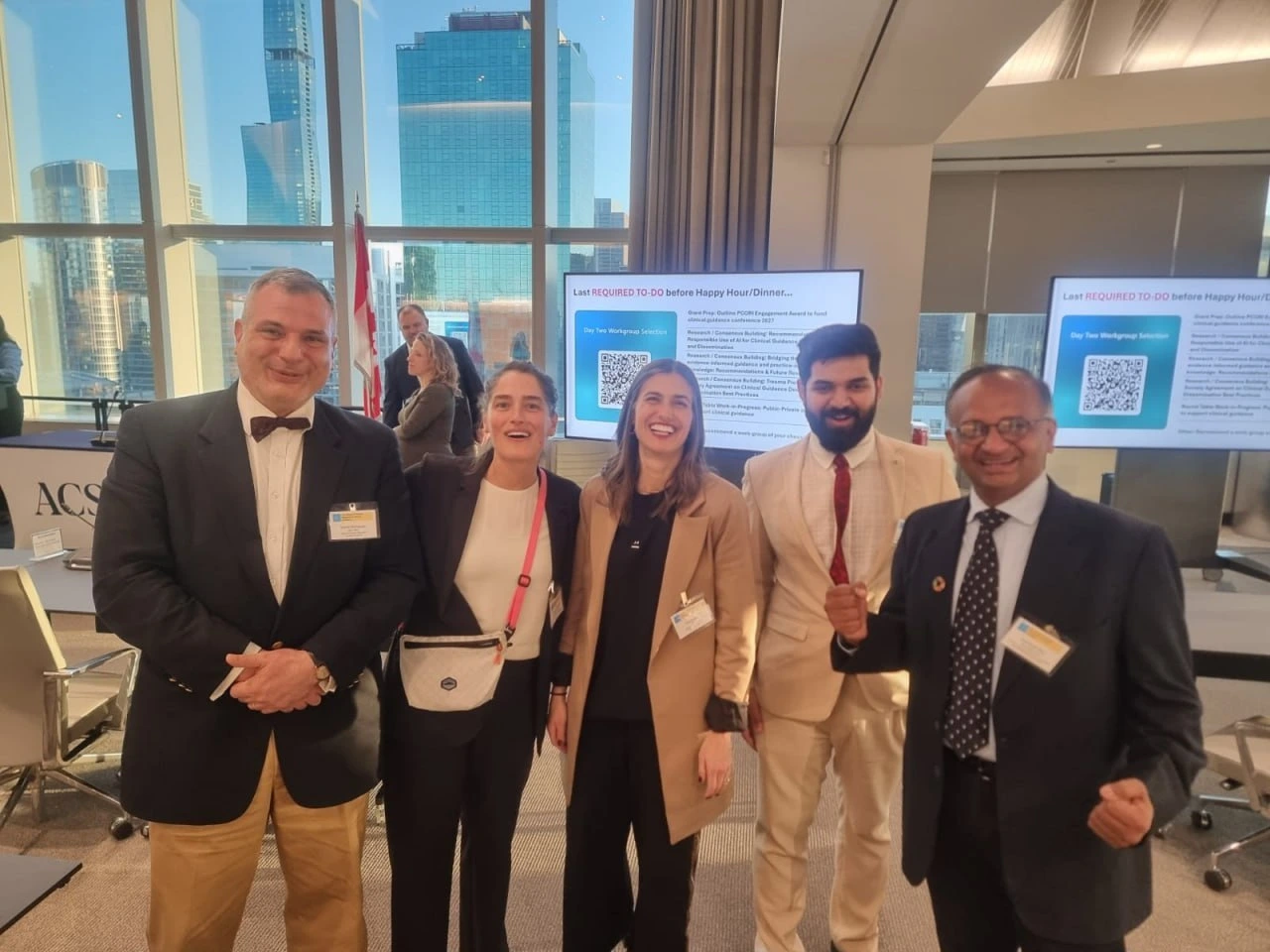
Last week, Dr Suren Kanayan represented Central Hospital at the Design for Implementation conference in Chicago — not as an observer, but as a key partner in shaping how artificial intelligence can responsibly support clinical decision-making worldwide.
The conference brought together international experts to address a critical tension: AI tools are being rapidly developed for healthcare, but are they being designed for the settings that need them most?
Dr Kanayan contributed a perspective that many in the room didn’t have: What does AI-supported clinical guidance look like when your hospital’s resources change shift by shift? When national guidelines assume equipment you don’t have? When “standard protocols” aren’t standard at all?
His insights from adapting maternal health and emergency care protocols in Cambodia helped ground discussions in reality — ensuring the consensus framework being developed doesn’t just work in well-resourced academic centers, but can truly serve hospitals across the resource spectrum.
Key principle established: AI must augment human clinical judgment, not replace it — and must be governed with transparency and accountability.
This is the kind of global dialogue that strengthens our work here in Cambodia. We bring real-world challenges to international conversations and bring evidence-informed innovation back home.